
Leave Your Message
In this action-wrapped arena of athletic performance, even the minutest advantage counts—the equipment is the most important. Compression Leggings emerged as one of the greatest innovations in Activewear-currently becoming most popular amongst athletes-unwinding as an instrument for performance enhancement. These leggings provide muscle support, enhanced circulation, and decreased muscle fatigue during rigorous workouts and are an important component for all sportswear. True to trend, the market for activewear quality being increased much has demand in Compression Leggings.
Within Dongguan Purong Sportswear Co., Ltd., we keep on ensuring that we have produced quality activewear products namely sports bras, shorts, Hoodies, and tank tops in men's and women's lines. It is very important for an athlete to select the right outfit that will bring the best results and therefore we designed our Compression Leggings with all the professional designs, and best materials to call it a compression legging. Advancing in every bit of the latest technology in the sportswear field comes with a fast turnaround time at 100% customer satisfaction-always helping an athlete to have the full potential both on and off the field.
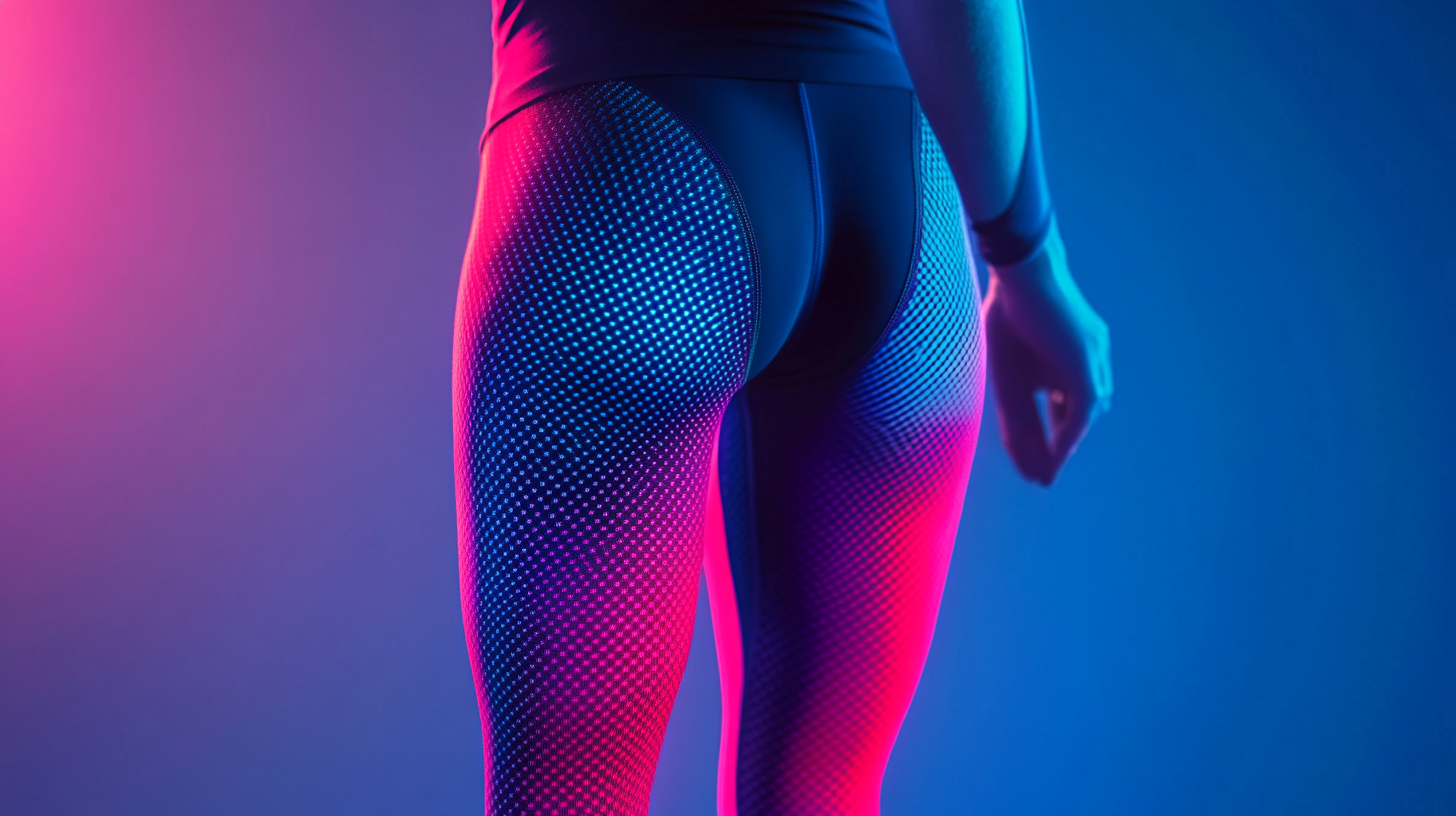
The popularity of compression leggings has increased among athletes for aesthetic purposes as well as for performance enhancements that have been scientifically validated. The mechanics of compression technology are fascinating because of the pressure applied to several regions of the body, which enhances circulation and limits muscle vibration during workouts. This results in less muscle soreness, faster recovery time, or both, and ultimately different athletic outcomes. Market trend predictions for 2023 show that athletes investing in performance gear are becoming more aware of the felt benefits of compression leggings. Recent advances in the material sciences indicate the possibility for cooling materials in sports apparel, such as those explored in journal articles written by Moya and Mathur. These advanced fabrics produce compression and encourage cooling, thus producing the compound effect of further enhancing performance. In a situation where athletes are pushing themselves to physically demanding limits, the advantage of maintaining one's internal temperature in the face of compressive apparel could far tilt the scale in its favor. Furthermore, the arriving point of the major intersections between the latest technologies and performance gear continues to widen. Advances stretching from fluid dynamics to mechanical engineering continue to be the backbones for the design of performance apparel, comprising compression leggings. Creating out of understanding the mechanics and material properties affecting bodily response minimizes the chance of injury while maximizing athletic performance. The crossover from these enhancements is set to completely transform the dimension within which performance gear operates.
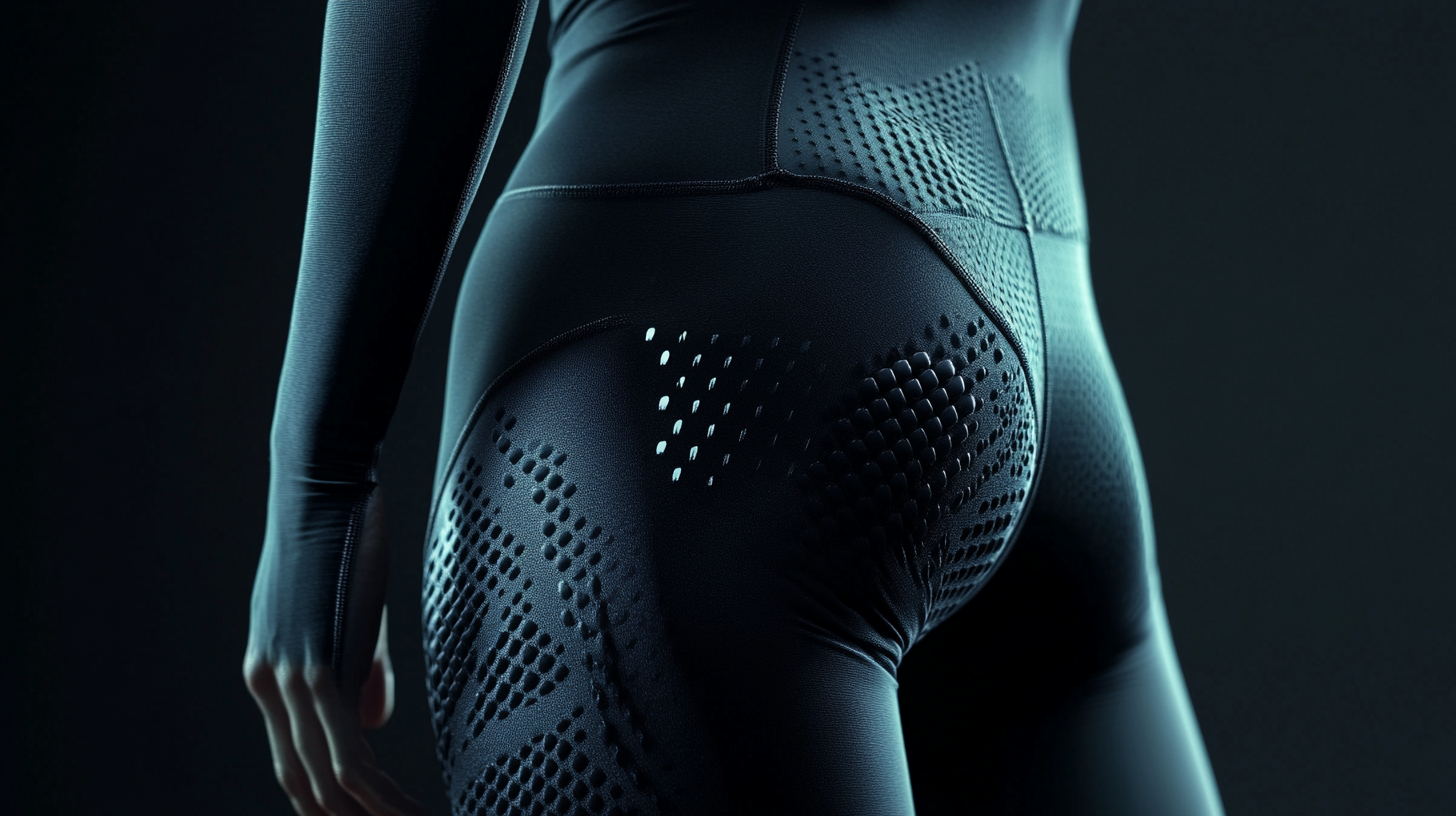
The compression technology used today finds application in athletic performance but promises even more benefits for athletes in different disciplines. The Global Sports Compression Wear Market report estimated the industry's growth at the rate of 6.5% from 2023 to 2030, a testament to the increased demand for performance-enhancement clothing meant for physical activities. Compression leggings are undoubtedly leading the way, providing maximum support for athletes while enhancing endurance.
Some of the main sports benefits of such compression leggings include increased blood circulation and reduced muscle vibration during activities. Athletes wearing compression garments were found to have a 20% increase in blood flow to the muscles, thereby improving oxygen delivery and performance metrics, according to a study published in the Journal of Strength and Conditioning Research. Increased circulation not only adds to an athlete's endurance but also helps in quick recovery post-exercise, thus adding value to every athlete who wears them.
Besides, fit and support from these garments stave off fatigue and avert injuries. The NCBI states that compression wear reduces muscle oscillation, which contributes to muscle soreness and strains. Demand for compression leggings is likely to escalate as athletes continue to look for support gear that can maximize their performance and minimize injury potential, thus being in sync with the expansion of compression gear and the changing needs of athletes.
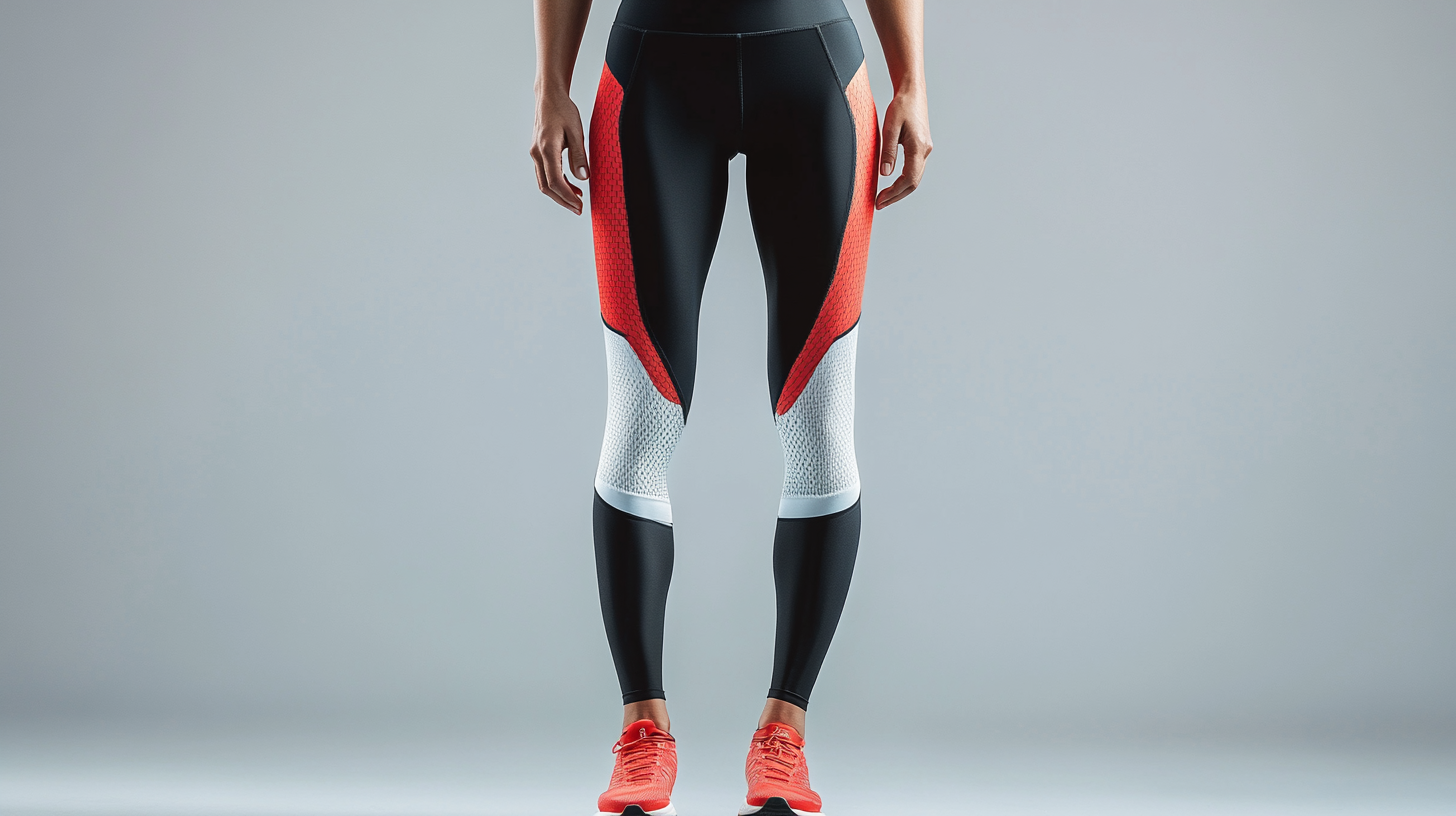
The 2023 trends in the activewear market highlight a significant shift toward tighter fitting compression leggings, especially with the ever-growing popularity of cycling. With outdoor activities on the rise, cyclists are seeking gear that enhances performance without compromising style. Compression leggings are entering the ambit of cycling, attracting serious cyclists and casual riders alike.
The new wave of outdoor sports has created quite a cultural definition of visibility when it comes to cyclists in compression gear. These leggings are all about muscle support, enhanced blood circulation, and therefore better endurance during rides. Caught somewhere in between the middle-class body image anxiety and the tantalizing aspect of performance clothes, compression leggings achieve two goals: bettering athletic performance and inciting confidence in the user. The market, therefore, answers this permutation with multiplicity, rendering such commodities as functional bomb for biking gear rather than mere stylish statements.
A further implication of the trend toward investing in high-quality compression wear in 2023 concerns the rise of cycling as a preferred outdoor activity. Consequently, apparel meant to enhance these physical efforts while maintaining comfort and style is becoming increasingly in-demand. This intersection of style with functionality serves to illuminate the reasons why compression leggings are an integral and contemporary part of any cyclist's wardrobe-style as a reflection of the broader trajectory of changes in fitness culture and consumer behavior.
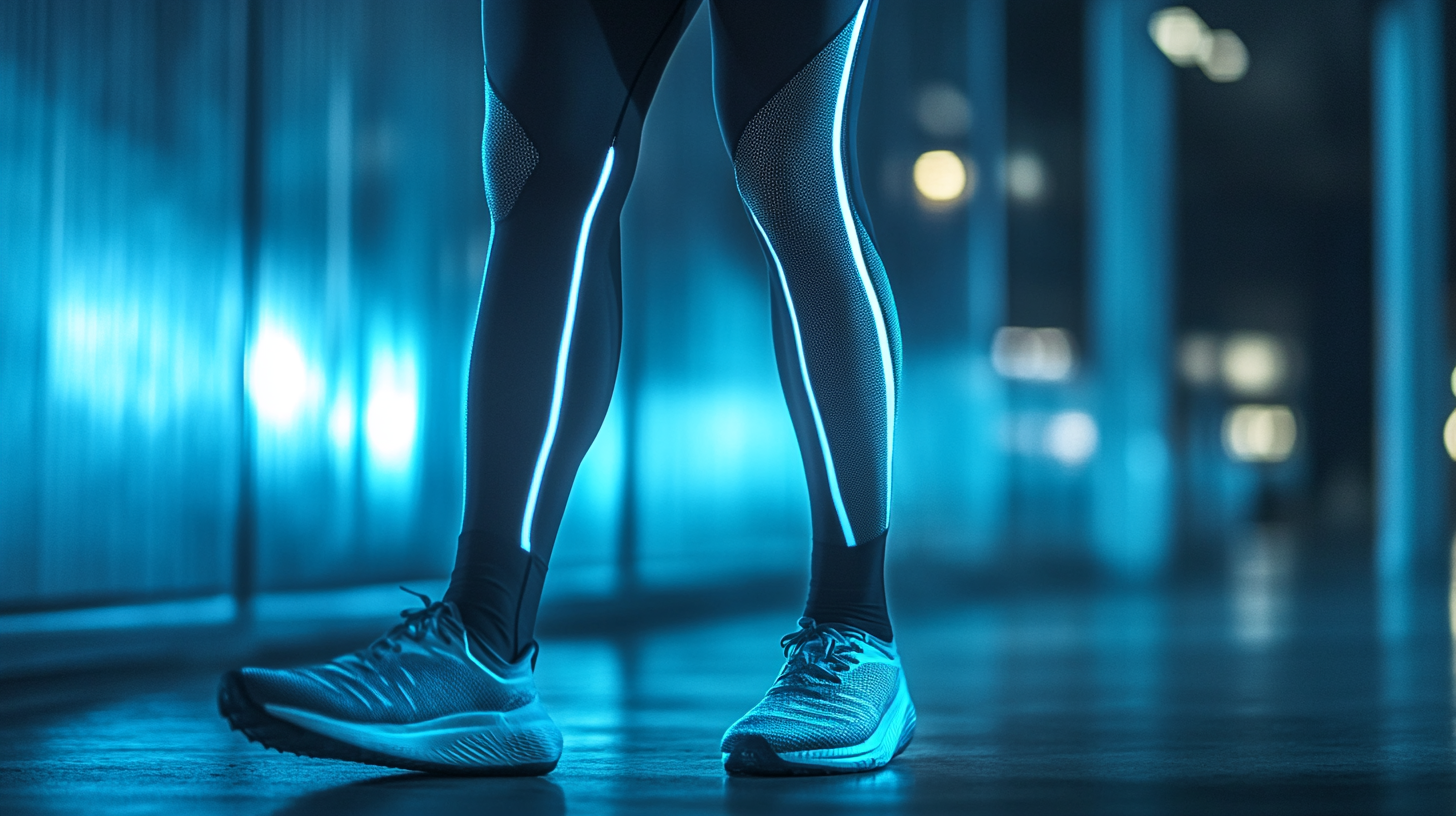
Compression leggings are being embraced more and more by athletes of various disciplines to maximize performance and recovery benefits. The experiences of these athletes describe varied degrees of improvement they contribute to the subtle technology behind compression wear. For example, marathon runners have experienced enhanced endurance and less muscle fatigue during longer races. Wearing tight-fitting leggings also aids in enhancing blood flow circulation to ensure that vital oxygen reaches the muscles. Many runners have recorded personal bests with monotonous regularity, creating a trend with no apparent interruption in the near future.
Athletes from other high-impact sports have also contributed the bulk of their perspectives about injury prevention. The support of the compression leggings helps give athletes confidence in their movements, thereby greatly reducing the risk of strains and sprains. Gymnasts and basketball players have noted that with the enhanced stability of their muscles and joints, they can definitely push their performance levels beyond the limit while feeling secure within their own routines. And as more accounts emerge, the issue of supportive athletic wear is gradually taking over the minds of sport buffs, thus further establishing the role of compression leggings in attaining top-notch performance.
The comfort factor is an added benefit reported by athletes. Many have found that moisture-wicking capabilities keep them dry and comfortable during even the hardest workouts. "Wearing compression leggings feels like a second skin. This way, I can concentrate solely on my performance without any distractions," a pro cyclist stated. The increasing acceptance of compression products by athletes telling stories of good experiences suggests a bright future for this category of athletic apparel.
Compression leggings usher in a new generation of performance-enhancing and recovery-enhancing apparel. Unlike more traditional activewear that has always placed primary importance on comfort and style, compression leggings are built to promote performance and circulation, that is where it differs from the other traditionally made activewear. This factor allows athletes to train harder and longer, with graduated compression facilitating blood flow and oxygen delivery to muscles, reducing fatigue and monitoring soreness.
A comparative analysis illustrates how compression leggings outperform their traditional counter-part. Traditional activewear might differ in fabric and fit, whereas compression leggings employ modern fabrics that deliver tailor-made support and warmth for enhanced muscle alignment and less chance of injury. And in supporting this function, compression leggings can optimally promote performance as well as assist recovery after exertion; thus, they are a must for both serious athletes and casual fitness buffs.
The ripples of market trends in the year 2023 further substantiate an awakening toward realizing these benefits. More and more market players are bringing in compression technology in their active lines. Consumers, meanwhile, have become selective-about-products and comfort and versatility are preconditions for any fitness-enhancing products. Truly, with more research to prove the effect of compression garments, the entire range of compression leggings has already established a niche in the sportswear market and is obviously far more in demand and beneficial than the non-compression version.
Fashion continues to be about meeting the basic physical needs, accented even more in terms of athletic gear with the development of trendy, compression leggings and socks that are impressively made for performance and stylishly for-wear. The latest trends of 2023 clearly indicate that consumers now expect beauty and style to be provided by their workout apparel, as much as function. Industry research from earlier this year also predicts that, by 2026, the global activewear market would reach approximately $350 billion, and this has a lot to do with stylish and seamlessly blending design forms with athletic talents.
Not that compression gear has stopped being merely an accessory for athletes, aside its performance-improvement benefits; it has quickly become a fashion statement at events such as marathons. Many winners and participants don trendy, colorful compression socks and leggings that come to the attention of such events. Nearly 60% of consumers are probable to ask for clothes they can wear to and from the gym according to the shift in trend, proving that great demand for activewear, which can be double purposed, also exists.
With the rise of these compression products, all the brands that come up have opted to manufacture items that not only enhance athletic performance by improving blood circulation and reducing muscle fatigue, but also cutting-edge design. Combining these aesthetic and functional properties creates a wider audience, from elite athletes to casual exercisers. Research shows that seeing attractive exercise clothing has quite a large impact on the motivational level and hence participation in physical activities. Hence the changing aspects of compression gears are that they marry fashion to function, bringing out the diverse needs cut for an active lifestyle today.
A good fit is important when selecting the right compression leggings for athletic performance. There are various styles and sizes of compression leggings, and the perfect fit plays an important role in how well they will be able to enhance circulation and decrease muscle fatigue. To determine how best to find the fit, first, measure your body accurately. Make waist, hip and inseam measurements to determine your size. Each brand may have a different sizing chart, so cross-reference your measurements against its guidelines before making a purchase.
Another thing to know is the level of compression since there are different degrees of tightness in range for compression leggings, and they generally have mild, moderate, or high compression. The mild compression would be of help when performing lower activities or recovering. In case if you are doing high-impact sports or hard workouts, then you should consider the option of moderate to high compression, which will provide you with a better muscle support and stability. These would make the limit-pushing doable and not painful.
The most important thing to look at is the material of leggings. First and foremost, it should be moisture wicking, breathable, and durable. Right fabric not only adds up to the comfort level during workouts but also improves overall performance. There it is - if fit, compression level, and materials could be paid attention to, then making that informed decision for ideal compression leggings would make all the difference in improved athletic outcomes.
Compression leggings are at the forefront of innovation in the athletic wear industry as it evolves. They are redefining the way athletes seek performance and recovery. While the next wave of developments in this vein is set to overthrow fabric technology as we have always known it concerning compression garments, the future will also likely find its smart textiles making for breathier, moisture-vaporizing, and perfect compression material. This is bound to give athletes the much-needed information to check how their muscles are performing or are fatigued almost instantly. The tailored training wraps for humans shall see the light.
Further, biofeedback sensors are a present apex of technology to try and see implemented with compression leggings. These sensors are engineered into the fiber; the athlete gets information instantly as things are happening with their body during the activities. The system clearly not only augments training but also is a preventative measure against injuries lessening chances, as it sends signals of stress in muscles or joints. From the technology and brand side, there are no limits; customization and personalization on fit and performance measurements are being demanded.
Lastly, underpinning the new vision in compression leggings is sustainability: thinking of the future. With rising concern about environmental health, companies producing the fabric and the compression garments are starting to involve the wellness of the process in design considerations. With regard to deriving those benefits, consumers appreciate finding items they can trust regarding environmental concern besides carrying out well their specified functions. Sustainability has set the trend to serve as a fortifier to the future of compression leggings in the sports-wear, hence adopting the shift to the whole athletic apparel of performance following responsibility.
Compression leggings are designed to apply pressure to key areas of the body, aiding circulation and reducing muscle vibration during physical activities. They are popular among athletes due to their aesthetic appeal and scientifically backed performance enhancements, such as reduced muscle soreness and improved recovery times.
Compression leggings enhance athletic performance by improving circulation, limiting muscle vibration, and thereby reducing muscle soreness and recovery time, which can lead to better overall outcomes during physical activity.
Recent advancements include the use of cooling materials that not only provide compression but also regulate body temperature, enhancing performance by allowing athletes to maintain optimal body conditions during intense physical activities.
Technology from fields like fluid dynamics and mechanical engineering informs the design of compression leggings, helping manufacturers to create products that optimize athletic performance while minimizing injury risk by understanding material properties and bodily responses.
Future innovations may include the development of smart textiles for enhanced breathability and moisture-wicking, as well as embedded biofeedback sensors that provide real-time data on muscle performance and fatigue during activities.
Biofeedback sensors can offer instant data on the body's response during activities, enhancing training efficiency and reducing injury risks by alerting users to stress levels in muscles and joints.
Sustainability is increasingly important as manufacturers incorporate eco-friendly materials and sustainable production methods. Consumers are favoring products that perform well while aligning with values related to health and environmental responsibility.
Trends include emerging materials that promise better performance features, integration with technology for monitoring, and a focus on sustainability, marking a shift towards products that combine performance with ethical considerations.


