
Leave Your Message
With the rapid evolution of athletic wear, it is entirely fair that global standards for Female Compression Shirt production should be considered paramount by both manufacturers and consumers throughout the world. International poster-quality products are something we at Dongguan Purong Sportswear Co., Ltd. are proud to produce, hence more than merely matching requirements. Female Compression Shirts immensely support female athletes. It provides relief and comfort to athletes during their gameplay while simultaneously maximizing performance. Being a front-runner in this industry, we feel the necessity of internationally accepted standards so that it will not only give us a competitive edge but also assure our customers of the quality of our products.
Currently, while scratching the surface of this entire production norm of Female Compression Shirts, a pointer will be thrown toward materials, design, and industrial regulations. These regulations are very important for durability, functionality, and safety of our products. Dongguan Purong Sportswear Co., Ltd. commits itself to following the modern best practices standardized by the above-mentioned codes and nurtures a culture of excellence to reaffirm our credibility in the sportswear market. Armed with knowledge about these worldwide benchmarks and with their implementation throughout our works, we can assure the continued supply of high-quality compression wear for women that inspires our strongest on-field performance.
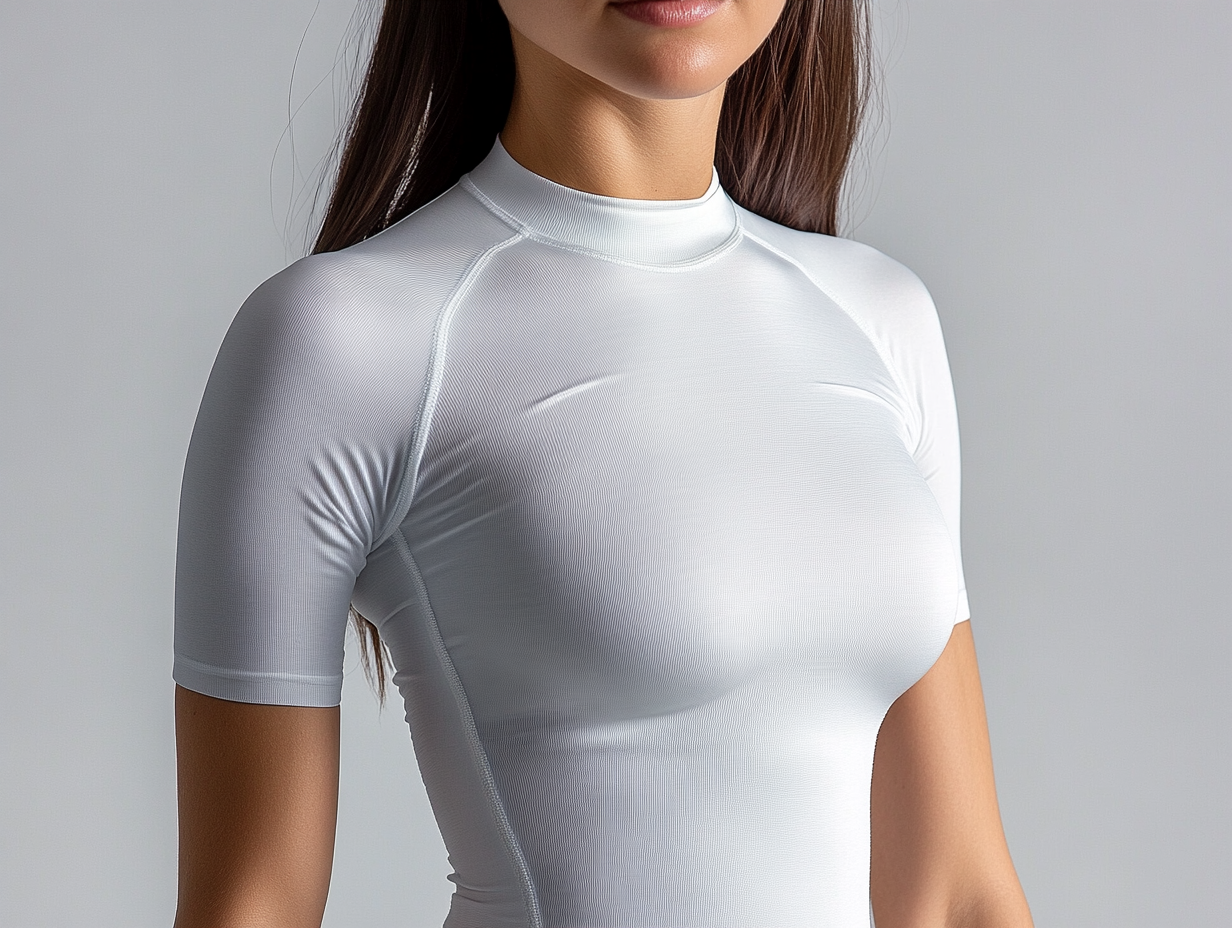
The manufacture of female compression shirts is gradually adopting a sustainability focus, aware of the environmental consequences of manufacturing processes. Research suggests that many prominent names in the activewear industry still depend on the use of toxic chemicals, raising considerable health and environmental concerns. As female athletes demand for healthier materials in their sportswear, so the demand for eco-friendly options is on the rise. One of the recent controversies surrounding the design choices for women's uniforms at major sporting events illustrates some culture change. Female athletes are not only putting pressure for better performance gear but also seek Apparel that considers the environmental impact of the manufacturing process itself. This intersection of sports, feminism, and sustainability is revamping female compression shirt production-the brands have no choice but to become eco-friendly.
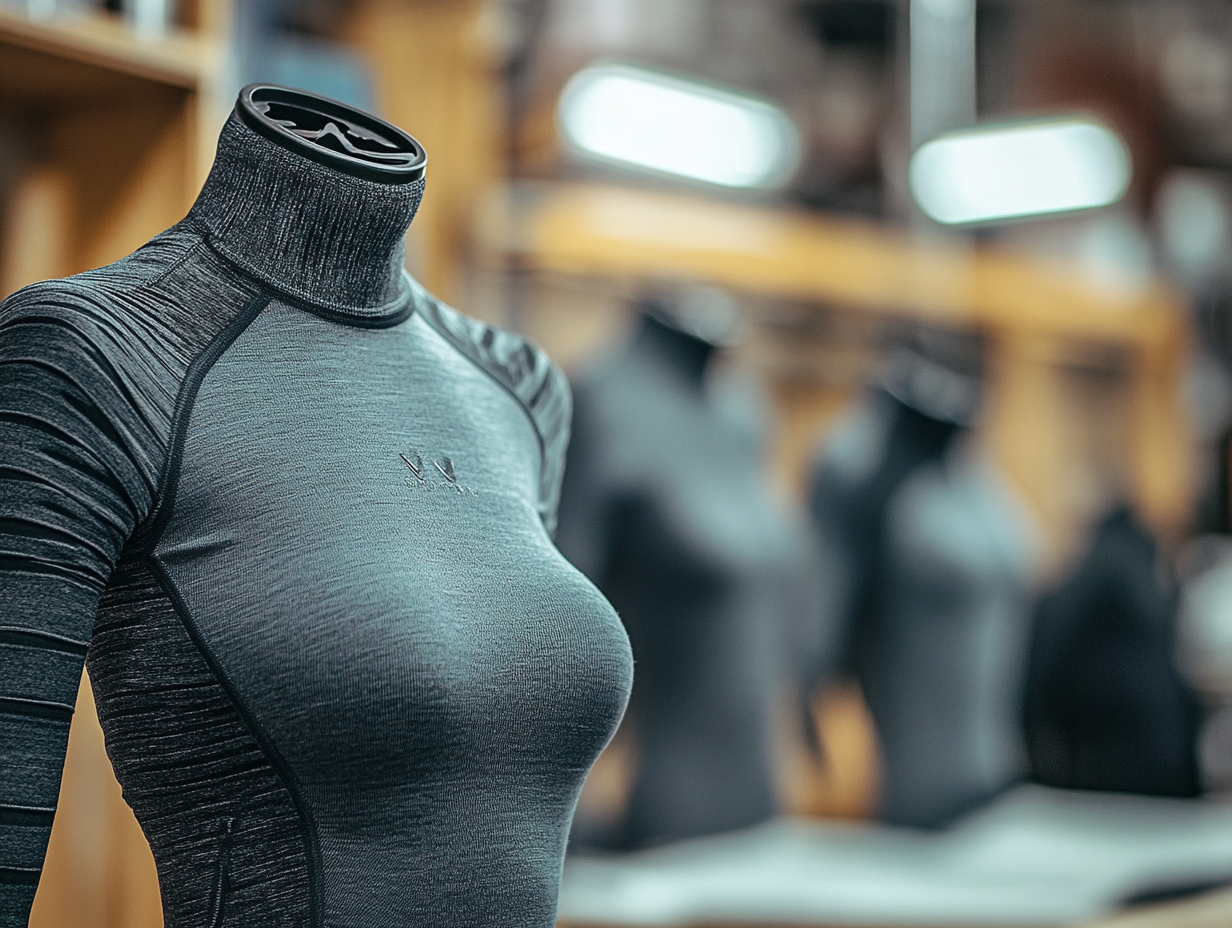
The material considerations for female compression shirts are vital in ensuring performance and comfort. Athletes need high-quality fabrics with good elasticity and moisture-wicking properties to remain comfortable in their activities. Blends of nylon and spandex give the necessary support and allow freedom of movement, especially for runners and active women.
Durability, too, is another vital consideration for the material choice. Compression shirts endure heavy wear and many washes, and still need to retain shape and effectiveness. Breathable and lightweight fabrics would enhance comfort and help mitigate chafing and promote airflow. Sportswomen are getting more and more vocal about better and functional sportswear, and with that, manufacturers have to focus on these material considerations to cater to the ever-changing needs of women in sports.
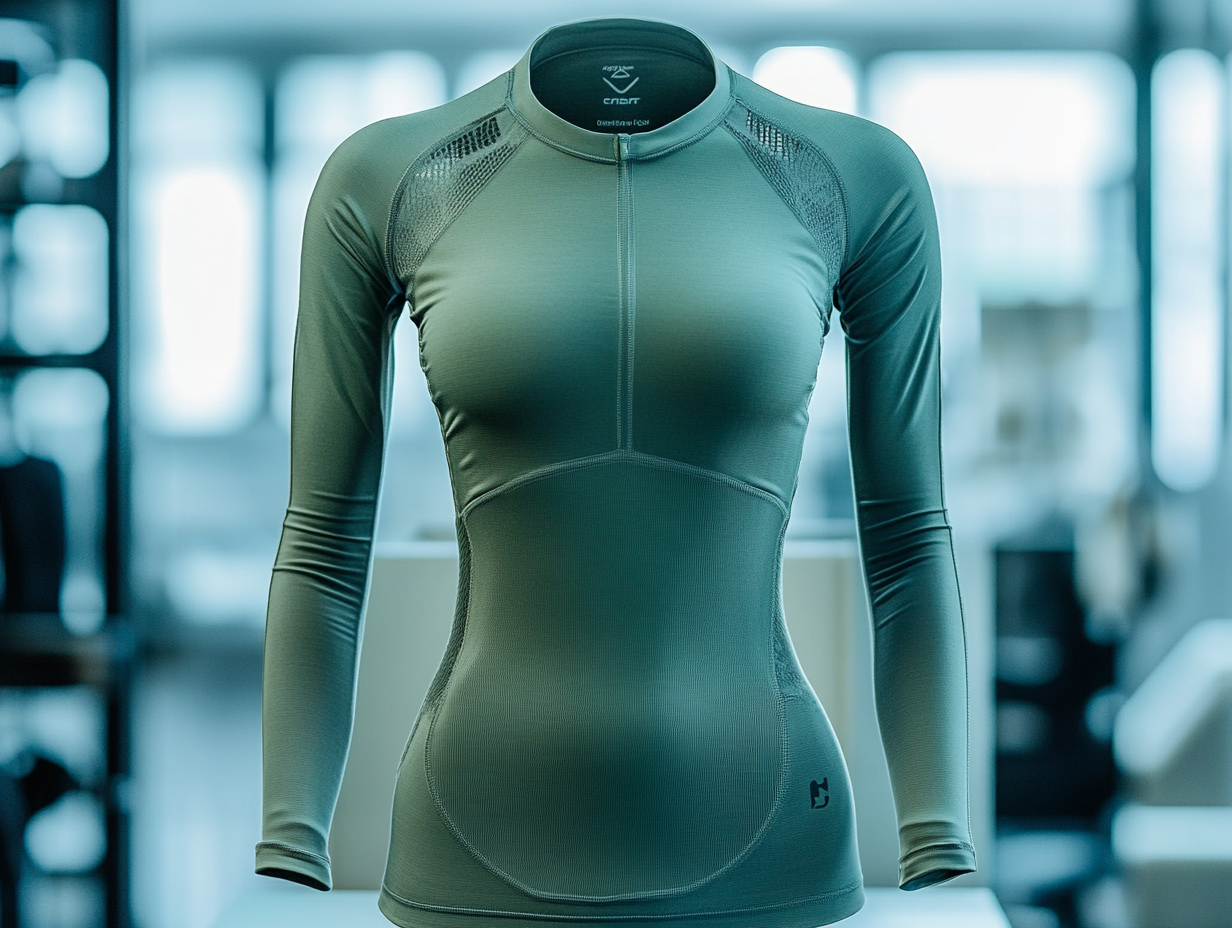
The recent boom in the market for compression wear and shapewear makes the future of female compression apparel standards appear great yet daunting; they are now projected to reach $6.95 billion by 2030. The growing demand for functional and comfortable sports bras and running shorts indicates women's evolving preferences in style and performance. These preferences highlight the need for congruent and more complete standards that are going to be best suited for fit, comfort, and safety.
In addition, activewear brands are coming under scrutiny for toxic chemicals, making the issue of developing global standards all the more paramount in promoting athleticism while protecting the health of their female consumers. With discussions surrounding equality and body image in sports gathering steam, a call for a universal set of guidelines is most timely. These instruments would offer women products they can trust to support their health and athletic aspirations and build the precursor for a future in which every female athlete can confidently and comfortably use it.
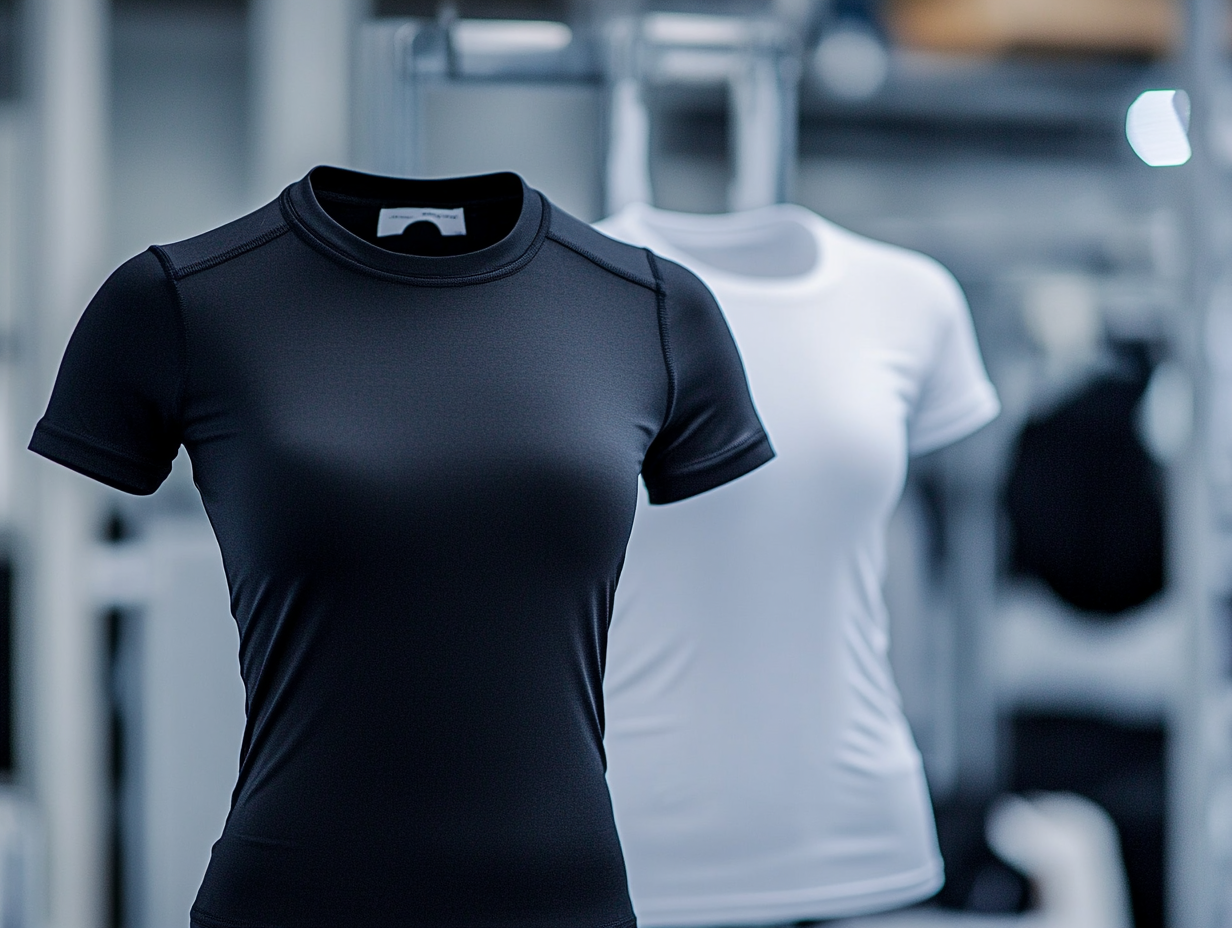
Health and safety standards are vital across all textiles produced in women compression shirts. With that, the requirement for comprehensive and strict regulations that safeguard the end consumers becomes greater with the increasing demand for performance apparel. For example, the presence of BPA and other harmful chemicals in leading performance branda made activewear highlights the necessity for extensive testing and compliance with health-related standards.
And most importantly, the global status quo moving towards the safer use of textiles protects not just athletes but all other consumers in more ways than one. The advocacy that female athletes make for a better grade of products that acknowledge their bodies best will compel manufacturers to veer toward using non-toxic materials and adhering to sustainable practices. Gradual change in the industry is happening, where health and safety efforts may come together for seminal innovations in terms of design that address improved athletic performance without affecting the well-being of the individual.
When it comes to athletic wear, women's compression shirts are fast becoming a necessity for those who demand performance and comfort equally during their endeavors. The snug fit of these shirts supports muscle, reducing the risk of chafing-welcomed relief when engaged in high-intensity sporting activities. Becoming a trend, manufacturers are exploring innovative materials that enhance breathability and moisture-wicking properties, thus making them useful in every sort of working environment-from running to cycling.
In this ever-changing field of sports wear, female athletes hasten to express their opinions on uniformity. This changing culture would thus seem to elevate comfort and functionality above the ideals of the past. In mounting a challenge to convention, pressure is mounting for compression shirts that both perform and allow freedom of movement. Catering to their performance needs while also expressing a forward-thinking perspective on women's sportswear, these shirts represent the evolving criteria of an industry.
As current debates progress around women's sportswear, present trends are both lively and functional, crafted suprisingly to fit the mobility of women's bodies while serving athletic purposes. From recent developments in the sciences of compression to thinner and more breathable materials, it is designed wholly with performance in mind. Women will still desire skies in which to fit bearing on clothing, but even more importantly, towards activity: function without losing femininity.
The recent discourses around the design of Olympic uniforms for women speak of the continuing contention about representation and earning the respect of female athletes in sportswear. While they cry for clothes that fit right and work properly, however, brands are also pressed to produce options with the wants of the majority in mind. This cultural and design push can be seen in women's increasing appreciation for high-quality running tights and supportive sports bras, built to withstand wear in the most demanding workouts. These changes mark a new milestone in how female athletes see their equipment, balancing functionality and personal expression.
Difficulties face the manufacturers of female compression shirts when it comes to conforming to global production standards. They need to ensure that their products meet stringently complex regulations ranging from fabric sourcing and chemical safety to ethics in labor practices, as to minimum quality and performance increasing demands. Lately, findings revealed that there are a number of famous activewear brands found to have been loaded with harsh chemicals, making the case a concern for transparency in sourcing and manufacturing.
In addition, the constant advocacy for diversity and inclusion in sports wears has created a pressure on brands to provide diverse body types and performance needs. As the athletes, especially females, make known their reservations with respect to the functionality and presentation of their uniforms, the manufacturers are also in a position of balancing the requirements of standards with the growing needs of the consumer. All these will require innovation, partnerships, and continuous improvement in the competitive world of women's sports apparel.
In the context of activewear, especially in female compression shirts, regulation, compliance, and certifications form an important part relating to product safety and performance. With increasing awareness about toxic chemicals in clothing, manufacturers must now adhere to strict environmental standards. New findings revealed that some famed brands had harmful substances, which emphasizes the need for certifications to ensure consumer protection.
Certifications guarantee that products are free from hazardous chemicals and are the visible evidence of a commitment to quality. Brands that prioritize global compliance standards can build trust among consumers and develop brand loyalty. While such a complicated regulatory and certification framework can serve to position companies as leaders in the development of activewear that is safe and effective and allows female athletes to perform to their fullest without compromise.
Cultural sensitivities largely influence the making of female compression shirts. Knowing these different cultural norms and preferences becomes important for acceptance in different markets. For example, some cultures highly emphasize modesty, which can influence how compression wear is perceived in terms of style and fit. Those brands that accept the consideration of these factors will have a better claim to credibility in terms of acceptance to various female athletes across the globe.
Furthermore, developments in marketing adaptations also take into account practical means of production. Studies lately have come to show the way toxicactivewear fabrics have become, as consumers know more about health and environmental issues. Brands that stay eco-friendly while assuring that their products are free from harmful chemical substances can instill trust and loyalty in the consumers while also promoting a healthy lifestyle for female athletes across different cultural contexts.
Compromise for female compression shirts are increasingly influenced by conditions beyond alone national standards. These regulations encourage the safe and sustainable production of women's activewear. Thus, the safety of materials in apparel is determined not to be free of dangerous chemicals, such as BPA and PFAS, which already turn up in some of the big activewear brands. As consumers learn more about the health effects of toxic substances in clothes, manufacturers will have to learn how to make their practices more transparent and environmental indicators will not be wanting.
Also important, then, would be the added advantage of endorsing durability and comfort in designs for bodymastering women. The evolution of women into hard-core athletes is bound to cause them to wear more than before, when aerobics was not a popular activity. Now, their wear has to be protective, while similar to their male counterparts. There is also a new example, a glass of water in women's sports discussions where rules being imposed by organizations on how women dress have to be deferred by free-quality, active clothing that are modern. Global standards would then allow companies to further their quality-products drive while responding to the growing demand from consumers for ethics-producible garments.
Health and safety standards are crucial to ensure the safety of the end user, particularly in female compression shirt production, where the presence of harmful chemicals can impact athlete health.
One notable harmful chemical is BPA, which has been found in popular activewear brands, highlighting the need for rigorous testing and compliance with health standards.
The global textile industry is shifting towards using non-toxic materials and implementing sustainable practices to promote health and safety for athletes and consumers.
The compression wear and shapewear market is estimated to reach a value of $6.95 billion by 2030.
Women are increasingly demanding functional and comfortable sports bras and running shorts, emphasizing the importance of fit, comfort, and safety in sports apparel.
Global standards are necessary to ensure that activewear enhances athletic performance while ensuring the well-being of female athletes, especially given the scrutiny regarding toxic chemicals.
The growing conversation around equality and body image in sports is driving the push for industry-wide guidelines that provide reliable options for women's health and empower their athletic pursuits.
Health standards pave the way for innovative designs in athletic wear that enhance performance without compromising well-being, reflecting a commitment to athlete safety.
As female athletes advocate for better quality products that respect their bodies, manufacturers are compelled to prioritize health and safety, leading to higher quality and non-toxic apparel options.
The promotion of safer textiles contributes to a healthier lifestyle for consumers by ensuring that the apparel they use does not contain harmful substances.


