You know, in today's fast-paced Activewear scene, everyone seems to be on the hunt for the perfect pair of Sweatpants. It’s crazy to think that the global activewear market is expected to hit a whopping$498.4 billion by 2026 — that’s what Statista says, anyway! With more folks prioritizing comfort and performance in their everyday outfits, finding the best sweatpants has really become a big deal for manufacturers.
At Dongguan Purong Sportswear Co., Ltd., we’re all about delivering top-notch activewear, sweatpants included, that really stands up to the highest industry standards. We take pride in our professional designs, quick turnarounds, and of course, quality you can trust. We aim to meet the needs of everyone, whether you're shopping for men or women.
It's also super important to understand the whole landscape of industry import/export certifications — that’s the key to sourcing the best materials and products from all around the world. It helps us keep our promise of 100% customer satisfaction, even in such a competitive market.
Understanding the Importance of Import/Export Certifications in the Apparel Industry
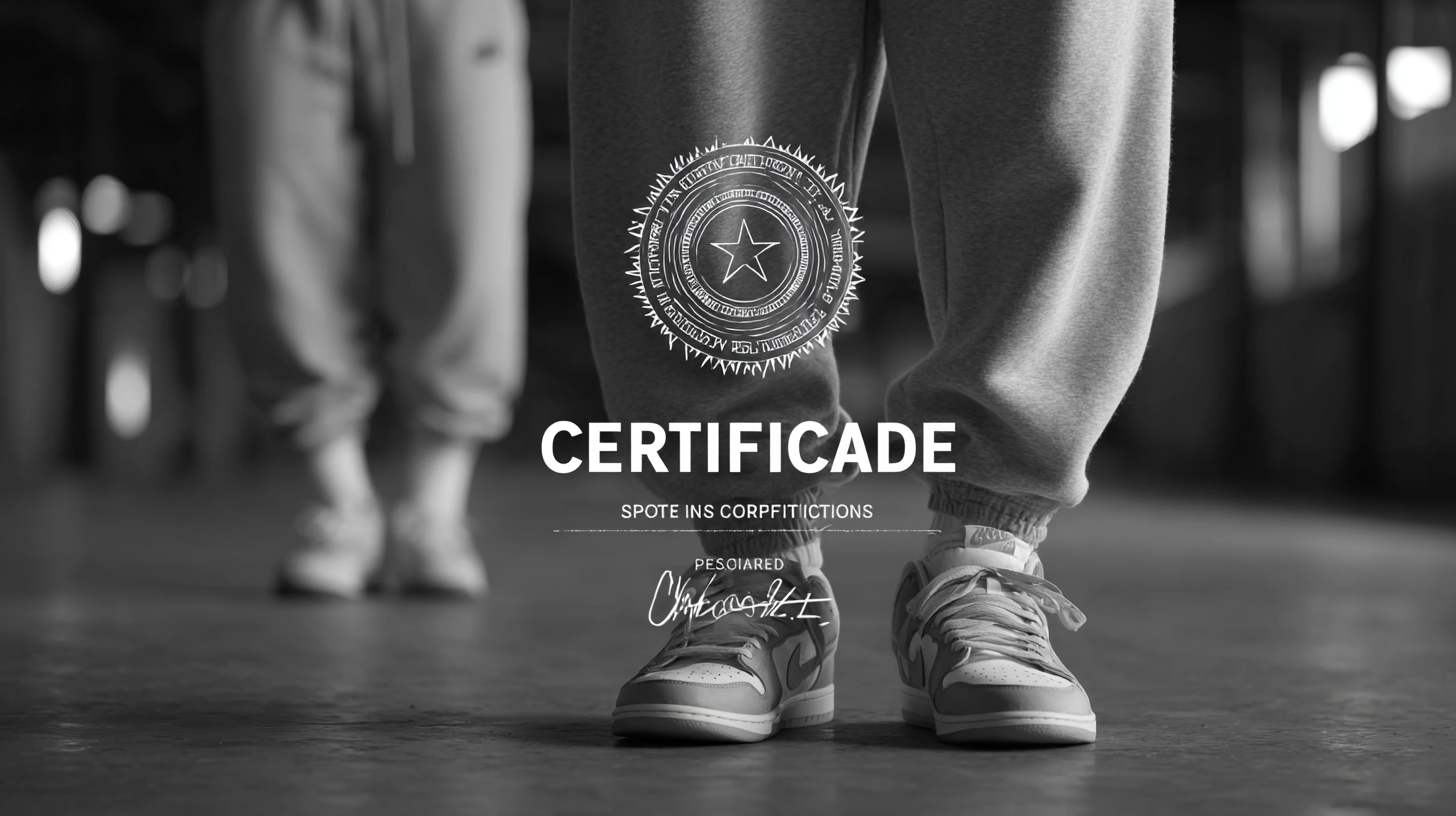
Hey there! If you're in the apparel business, you know how important it is to get a grip on import and export certifications. Seriously, they’re key when you’re sourcing sweatpants from all over the globe. These certifications are like a badge of honor, proving that your products meet the various safety, environmental, and quality standards that different countries expect. By making sure your suppliers are on top of their certification game, you're really cutting down the risks. You don’t want to deal with non-compliant products that could lead to hefty fines or even tarnish your brand's image, right?
**Pro Tip:** Don't just take their word for it—always double-check the certifications of your suppliers. Request copies and make sure to verify their validity with the issuing authorities to see if they’re still current. This proactive step can seriously save you from those headaches down the road with supply chain hiccups or legal troubles.
And here’s another cool thing: having those import/export certifications can really boost your market appeal. Nowadays, consumers are pretty savvy about where their clothes come from and how they're made. When your sweatpants come with respected certifications, it not only builds trust but also gives you an edge over the competition.
**Another Tip:** Don’t forget to flaunt those certifications in your marketing materials! Show them off to illustrate your commitment to quality and ethical practices. This can definitely attract a more socially-conscious crowd and help you build that brand loyalty you’re after.
Key Certifications for Sourcing Quality Sweatpants Globally
When you're out there looking for sweatpants from around the globe, it’s super important to keep an eye on the key certifications that guarantee quality and that these products meet international standards. A report from the Global Apparel Manufacturers Association shows that around 60% of shoppers really care about ethically sourced and certified products, rather than just grabbing the cheaper, uncertified stuff. Certifications like OEKO-TEX® Standard 100 and GOTS (Global Organic Textile Standard) are crucial because they ensure that these sweatpants are safe for us and that they're made in ways that are kind to the environment.
So, here’s a tip: always check out the certifications of your manufacturers. You want to look for those who are upfront about where and how they source their materials. Don't hesitate to chat with your suppliers and ask for their certification documents. This way you can see if their values match up with yours.
Another important certification to know about is WRAP (Worldwide Responsible Accredited Production), which promises safe, legal, humane, and ethical manufacturing practices. Companies that hit the WRAP standards are showing they're committed to responsible production, and let’s be honest, that’s something today’s eco-conscious consumers really pay attention to. Research indicates that brands flaunting these certifications can enjoy a whopping 20% increase in customer loyalty, highlighting just how important quality assurance is for keeping customers around.
And here’s a little more advice: stay in the loop about new certifications and market trends. Giving those industry reports a regular glance can help you spot new standards that might improve your sourcing strategy and align your products with what customers are expecting.
Navigating Country-Specific Regulations for Importing Apparel
These days, trying to figure out the rules for importing clothes can feel like walking through a maze, especially with all the recent trade policy shake-ups. Take the tariffs the Trump Administration slapped on Canadian goods, for instance. This change is a big deal, and if you're in the importing game, it’s something you really have to think about. Not only do these tariffs mess with the price tag on your goods, but they also throw in some extra compliance headaches for anyone looking to source things like sweatpants from around the globe. If you want to keep your prices competitive and your supply chain running smoothly, you’ve got to get a handle on what these tariffs mean for your business.
Tip 1:
Before you start sourcing your products, make sure to dive into the specific import rules and tariffs for each country. Being proactive here can really save you from surprises down the road, like unexpected costs from sudden policy changes.
And let’s not forget, with more and more countries tightening the screws on stuff like greenwashing, it’s super important for apparel importers to stick to both environmental claims and trade agreements. These shifting regulations really highlight how crucial transparency and accountability have become in our sourcing decisions.
Tip 2:
Don't go it alone! Team up with local experts or legal advisors who get the ins and outs of the regulations where you’re planning to source. Their knowledge can be a huge help in navigating those tricky import requirements and keeping compliance risks low.
By staying on top of these changes and being proactive, businesses can work their way through the complicated world of import/export certifications and tariffs, ensuring they snag the best sweatpants while still following all those country-specific rules.
Strategies for Building a Reliable Network of Certified Suppliers
So, if you're diving into the world of import and export certifications while trying to find the best sweatpants globally, you've gotta build a solid network of certified suppliers. It's super important! A recent report from Market Research Future even says that the global athleisure market, which includes our beloved sweatpants, is on track to skyrocket to $550 billion by 2025. That's a huge jump, and having a go-to group of reliable suppliers could really give you an edge in this competitive scene.
One clever way to set up a strong supplier network is by hitting up industry trade shows and expos. These events are goldmines for getting face time with certified manufacturers and checking out their products in real life. Plus, utilizing platforms like Alibaba or ThomasNet can help you find suppliers who have the right certifications, so you know you're getting quality stuff that meets international standards.
Pro Tip: Don’t forget to keep the lines of communication open with potential suppliers about their certifications and compliance standards. A straightforward checklist can make this process smoother, making sure you have all the necessary documents ready to go and current.
Also, think about joining industry associations or groups; they usually provide directories of certified suppliers. Being part of these communities can give you access to exclusive info and insights that might give your sourcing strategy a real boost.
Another Tip: Make it a habit to regularly check in on supplier performance and their certifications to ensure they’re keeping up with the latest industry standards. Maybe set a quarterly reminder to assess things—this helps keep your supply chain in tip-top shape!
Future Trends in Import/Export Certifications Impacting Sweatpants Sourcing
You know, the whole world of import/export certifications is changing pretty fast, and it’s really shaking things up for how businesses are sourcing their sweatpants these days. A recent report from Global Industry Analysts even suggests that the athleisure market could hit a whopping $400 billion by 2026! That’s got everyone paying more attention to where their clothes come from, for sure. As consumers are increasingly wanting their clothing to be made sustainably and ethically, certifications like ISO and CE marks are becoming super important. Sweatpants manufacturers really need to get with the program or they might find themselves losing their edge in the market.
One big trend nowadays is the quest for transparent supply chains. A study by McKinsey found that a staggering 67% of shoppers now take the carbon footprint of their clothes into account. So, it’s no surprise that companies are on the lookout for certifications that really show their commitment to sustainability. You’re seeing a lot more buzz around certifications like the Global Organic Textile Standard (GOTS) and OEKO-TEX. These badges don’t just look good on the label; they give people peace of mind that their sweatpants are made with less harm to the environment. And, honestly, as these certifications become a bigger deal in what people buy, businesses really need to make them a priority if they want to keep up and stay competitive in the global sourcing game.
Best Practices for Staying Compliant with Evolving Certification Standards
Navigating the maze of import/export certifications in the apparel industry can feel pretty overwhelming, especially when you're trying to source sweatpants from all over the globe. Keeping up with the constantly changing certification standards is super important if you want to make sure your products not only meet the legal requirements but also hit the mark for what consumers expect. So, to stay on top of it, businesses really need to adopt some solid best practices that can adjust as these regulations change.
First off, staying in the loop about the latest certification requirements in your target markets is key. You can do this by signing up for industry newsletters, hitting up trade shows, and getting involved with trade associations. Building a good rapport with certification bodies can also be a game changer. It gives you insider info on any upcoming changes, which means you can tweak your sourcing strategies ahead of time. Plus, regularly auditing your certification processes and paperwork can help you dodge any compliance pitfalls.
On top of that, having a solid compliance management system is a great way to make the certification process smoother. This kind of system should help you keep tabs on various standards across different regions. Think of it as your compliance command center! Ideally, it includes tools to document your compliance efforts, provide training for your team, and use technology to track certifications more effectively. By putting compliance front and center and fostering a culture of awareness in your organization, you can not only meet today’s standards but also stay ahead of the game as regulations evolve.
Global Sweatpants Export Compliance Certification Standards
Unleash Your Workout Style: Custom Logo Women Gym Clothing Sweatpants for Every Active Lifestyle
In today's fast-paced world, women are increasingly embracing active lifestyles that blend fashion with functionality. According to a study from the Global Market Insights, the women's activewear market is projected to exceed $200 billion by 2026, a testament to the growing demand for stylish yet practical gym attire. One standout option for fitness enthusiasts is the high waist active jogger pants. These sweatpants not only offer the perfect blend of comfort and style, but they are also designed with an array of features that make them ideal for various workouts.
The elastic waist and cuffs ensure a secure yet flexible fit, allowing for unrestricted movement during intense workouts. With two slant pockets, these jogger pants provide the convenience of storing essentials like keys or phones while you’re on the go. This functional design caters to women who prioritize both comfort and practicality, whether they’re hitting the gym or enjoying a casual day out. As we know, comfort plays a significant role in workout performance. A survey by the American Council on Exercise reveals that 68% of individuals find that the right clothing boosts their motivation to exercise.
Moreover, the lightweight material of these sweatpants makes them perfect for layering or wearing alone, accommodating a variety of weather conditions. The loose fit contributes to an effortless lounge style that can transition from workout to relaxation seamlessly. Women’s lounge pants that are both versatile and chic not only enhance the workout experience but also reflect a modern approach to fitness fashion, providing a perfect solution for every active lifestyle.
FAQS
: Importers should research each country's specific import regulations and tariffs before sourcing products to mitigate risks and avoid unexpected costs.
Recent tariffs, such as those imposed by the Trump Administration on Canadian goods, have increased costs and added compliance challenges that businesses must navigate.
Various countries are tightening regulations against practices like greenwashing, making it essential for importers to ensure that their sourcing practices comply with environmental claims and trade agreements.
Businesses can stay informed by subscribing to industry newsletters, attending trade shows, engaging with trade associations, and maintaining strong relationships with certification bodies.
Best practices include regular audits of certification processes, implementing a robust compliance management system, and providing training for staff to create a culture of awareness about compliance.
A compliance management system can streamline the certification process, help track various standards across different regions, and document compliance efforts effectively.
Local experts or legal advisors can provide valuable insights into the regulatory landscape of the countries businesses plan to source from, helping navigate complex import requirements.
Transparency is crucial to comply with evolving regulations and to build trust with consumers regarding environmental and ethical practices in sourcing apparel.